The Invisible Economy of Breastfeeding: From Care to Climate Action
April 14, 2026


The project “Improving Visibility of the Economic and Environmental Value of Breastfeeding,” funded by VinUni Smart Green Transformation Center (GREEN-X), was presented at a recent WIP Seminar by Prof. Julie Smith from the Australian National University and the University of Canberra. Prof. Smith is a leading scholar in feminist economics and public policy, with extensive research on the economic value of care and breastfeeding.
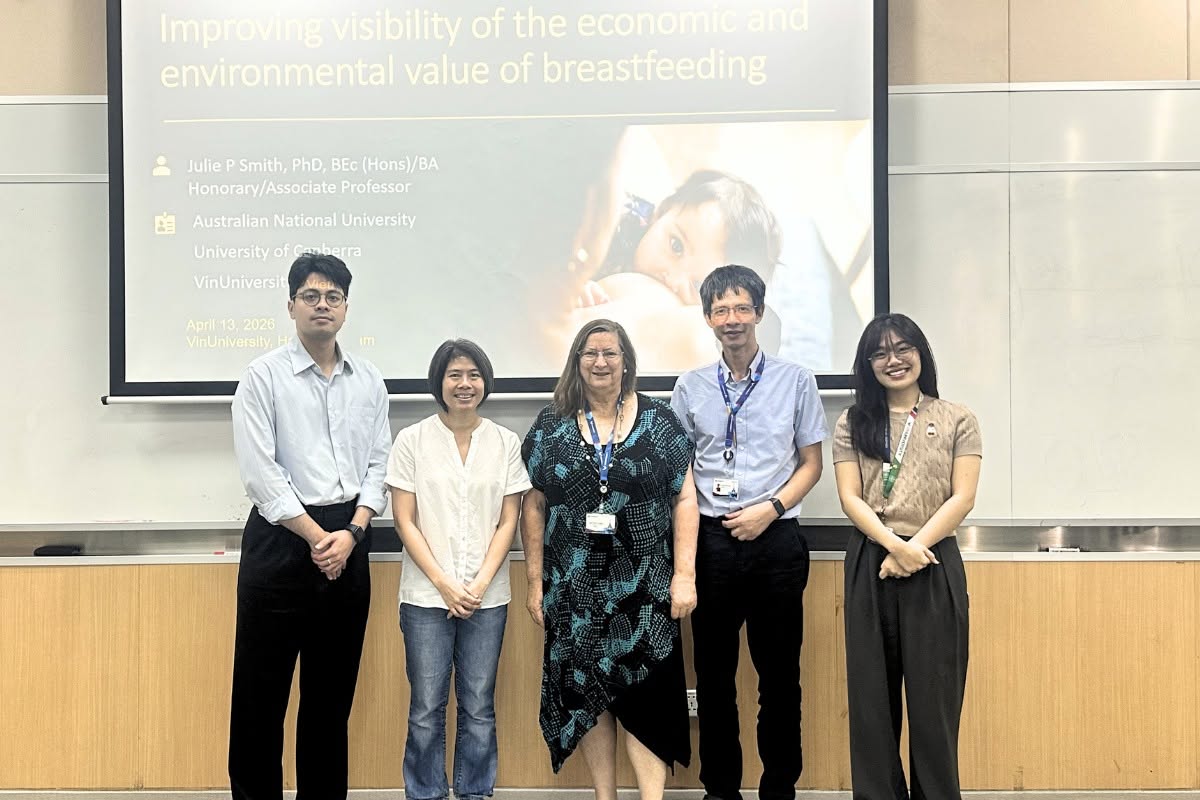
The seminar offered a new perspective on breastfeeding, moving beyond its widely recognized health benefits to highlight its broader economic and environmental significance. Breastfeeding was discussed as a powerful yet often invisible asset, contributing not only to maternal and child health but also to sustainable development and climate action.
As a zero-emission and zero-waste food system, breastfeeding provides a sustainable alternative to resource-intensive formula feeding. However, its contribution remains largely absent from conventional economic indicators and policy measurement systems. This lack of visibility limits the recognition of breastfeeding as part of the care economy and as a meaningful contributor to environmental sustainability.
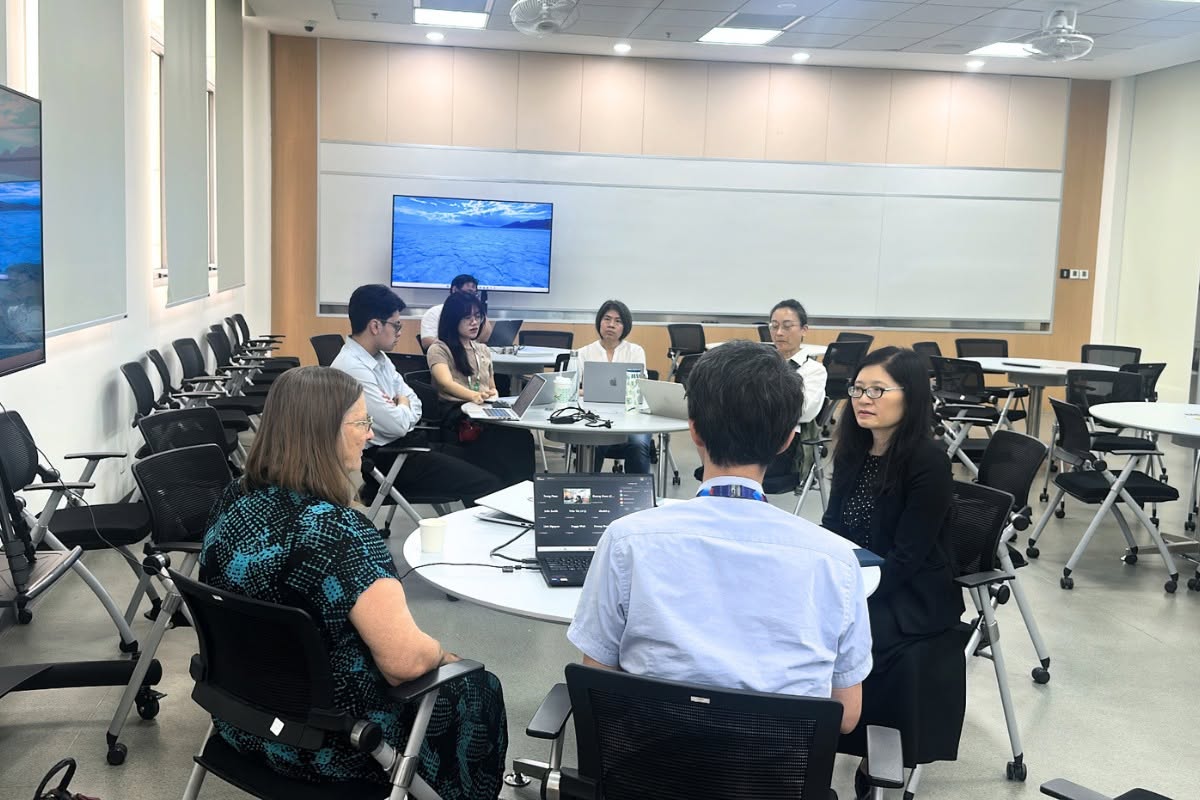
During the seminar, Prof. Smith introduced innovative tools such as the Mothers’ Milk Tool and the Green Feeding Tool, which help quantify and communicate the economic and environmental value of breastfeeding. These tools demonstrate how data can make hidden forms of value more visible, supporting more inclusive and evidence-based approaches to policymaking.
The discussion also underscored the importance of expanding how societies measure value, particularly in areas related to unpaid care, sustainability, and public health. By bringing attention to the invisible economy of breastfeeding, the project contributes to a broader conversation on how data, policy, and climate action can better reflect the full value of human and environmental well-being.
Through its support for this project, GREEN-X continues to advance research that connects social equity, sustainability, and green transformation, contributing to a more inclusive and sustainable future.