GREEN-X Public Talk: Water Infrastructure for the Future of AI
June 10, 2026


On June 10, 2026, VinUni Smart Green Transformation Center (GREEN-X) successfully hosted the Public Talk “Water Infrastructure for Semiconductor Manufacturing and Data Centres,” delivered by Prof. Long D. Nghiem, Director of the Centre for Technology in Water and Wastewater at the University of Technology Sydney (UTS).
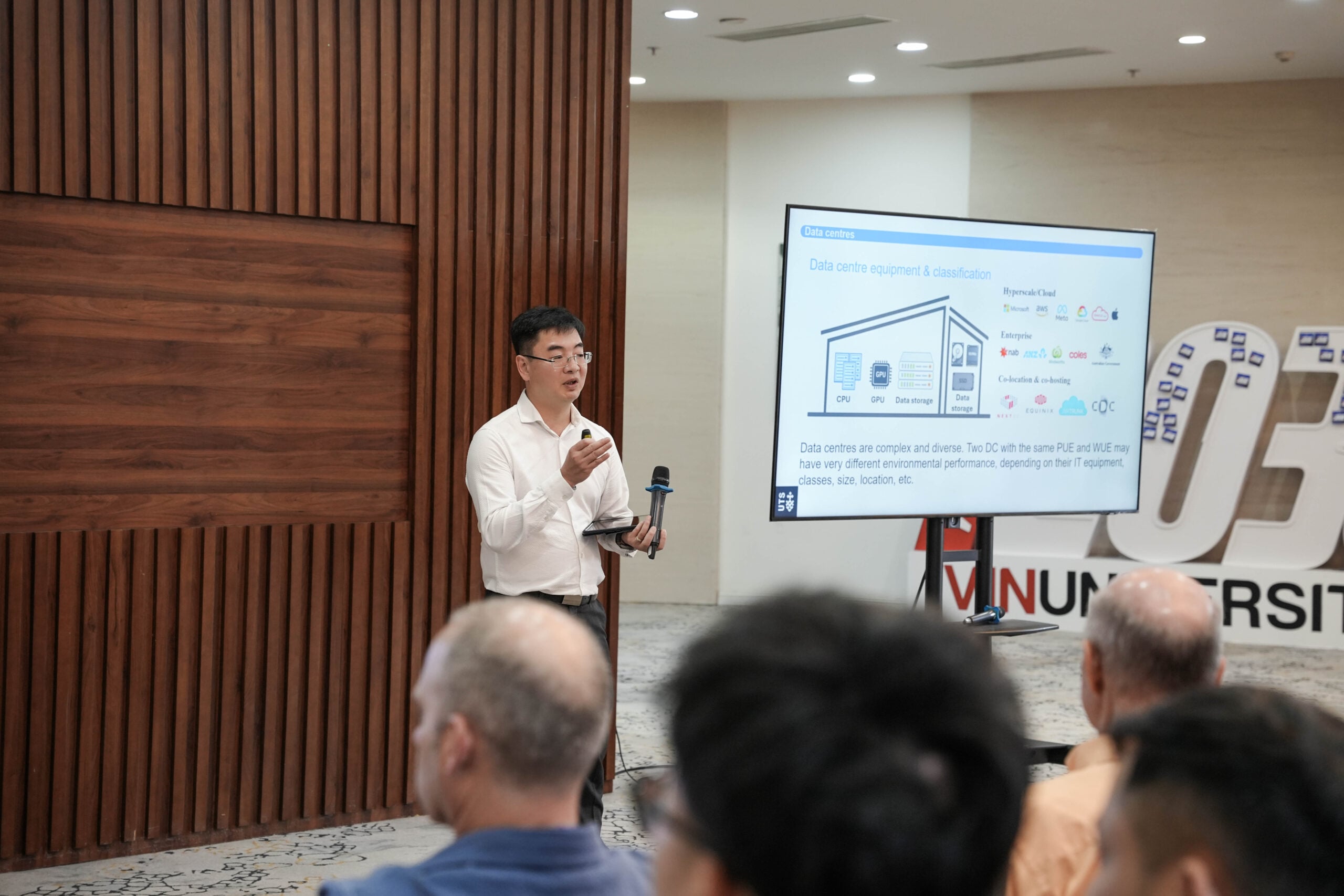
As artificial intelligence (AI), semiconductor manufacturing, and data centres continue to expand rapidly, the demand for sustainable infrastructure has become increasingly urgent. While AI is often perceived as a digital technology operating behind the screen, its development relies heavily on physical infrastructure that consumes significant amounts of water and energy. Semiconductor manufacturing requires ultra-pure water for advanced microchip production, while hyperscale data centres depend on large-scale cooling systems to support continuous operation.
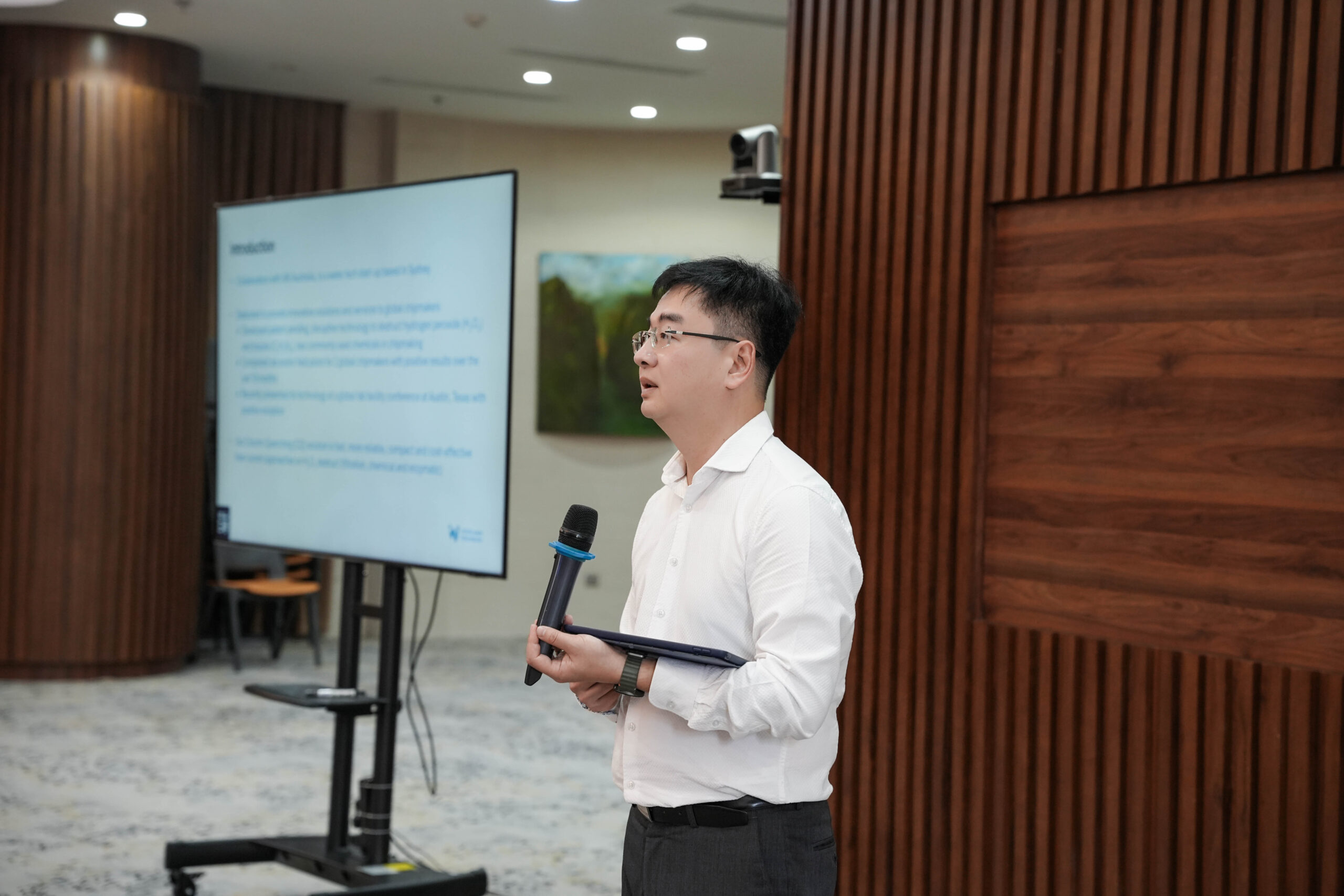
During the talk, Prof. Nghiem shared insights into the emerging water demands associated with AI and the digital economy. He discussed the role of water infrastructure in semiconductor manufacturing and data centres, as well as the environmental challenges arising from industrial wastewater and contaminants generated during these processes.
The session also highlighted innovative water treatment technologies being developed at UTS, offering potential solutions to support cleaner production, more efficient water use, and more sustainable industrial development. Through the discussion, participants gained a deeper understanding of the critical connection between water, technology, and sustainable infrastructure in shaping the future of AI-driven growth.
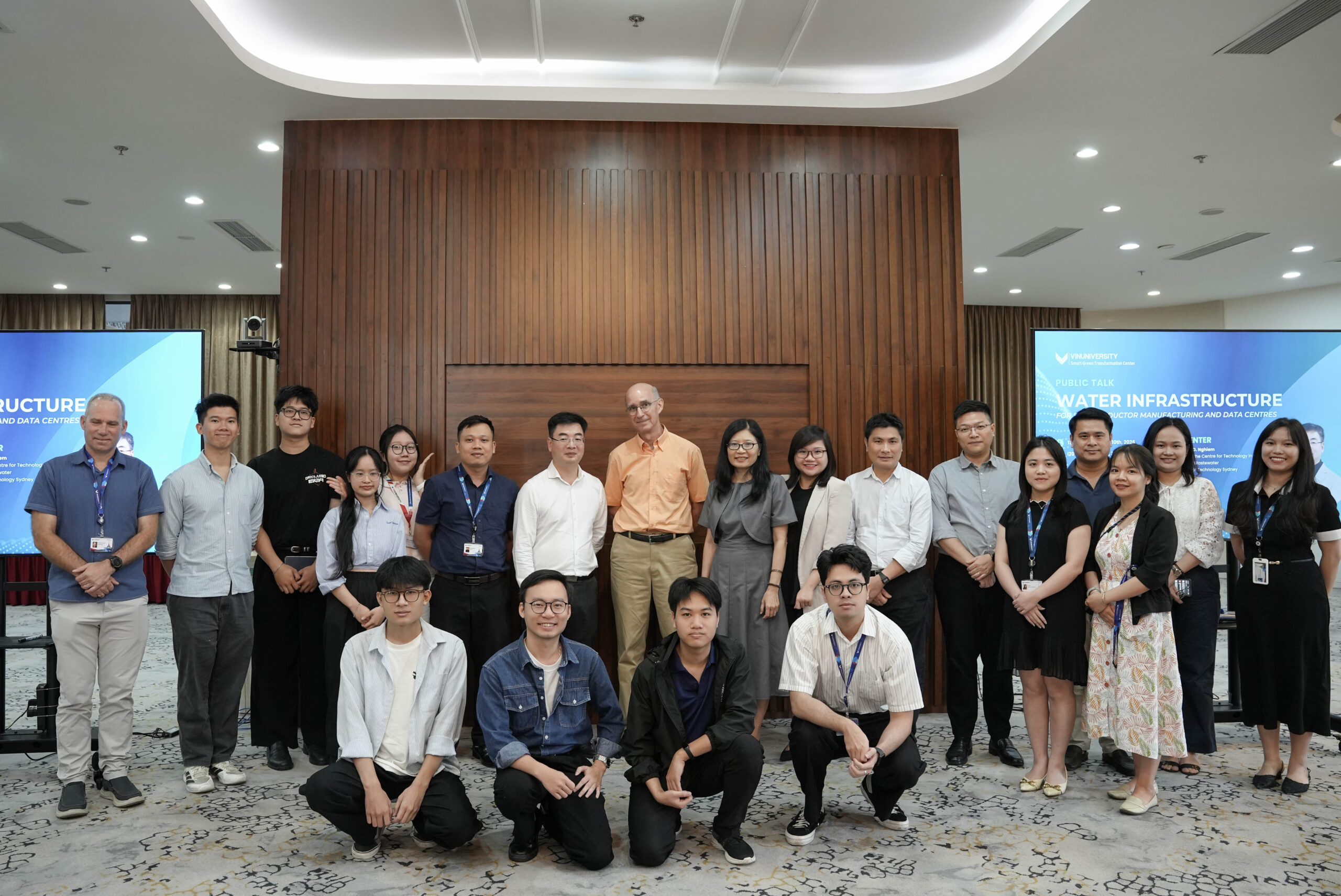
The Public Talk brought together students, researchers, faculty members, industry professionals, and participants interested in sustainable infrastructure, green technology, and the future of digital development. The event provided a valuable platform for knowledge exchange on one of the most important yet often unseen foundations of the digital economy.
Through this Public Talk, GREEN-X continued to foster dialogue on practical and forward-looking solutions for sustainable development, reinforcing the importance of integrating green infrastructure into the growth of emerging technologies.